September 11, 2001, changed the course of modern history :
The attacks on the United States that day killed nearly 3,000 people and triggered what Washington called the “War on Terror” — a global campaign aimed at dismantling al-Qaeda and preventing future terrorist attacks. What began as a military operation in Afghanistan soon expanded into a much broader series of wars, invasions, airstrikes, drone operations and counterterrorism campaigns across several countries.
Twenty-five years later, the question is no longer simply how the War on Terror began. The bigger question is: What did it leave behind?
From Afghanistan to a Global War :
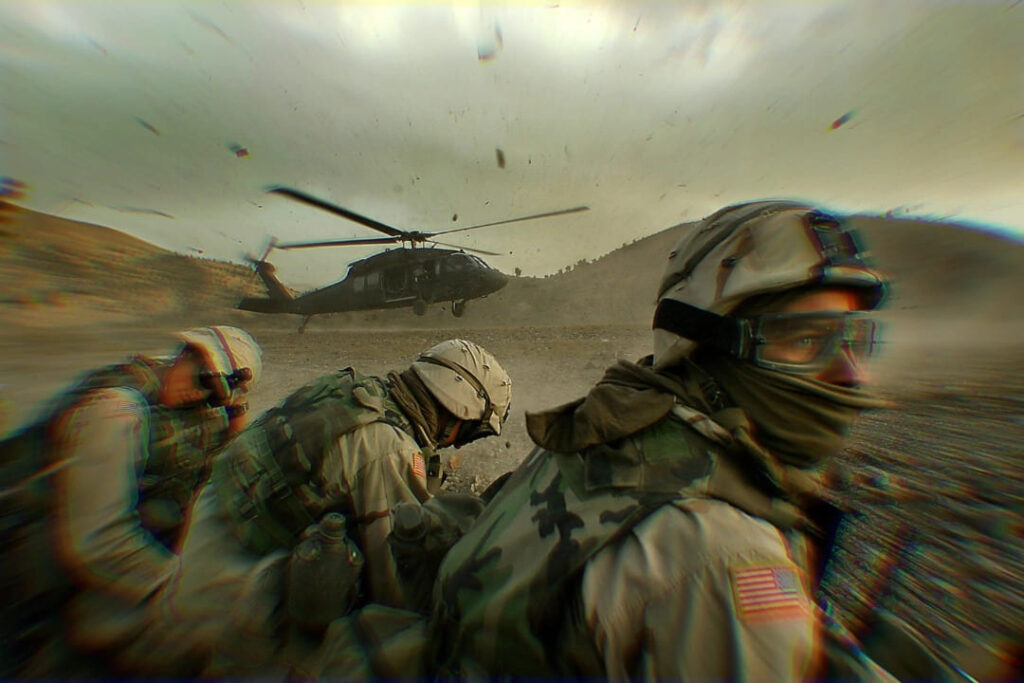
The first major target was Afghanistan, where the Taliban government was accused of providing shelter to Osama bin Laden and al-Qaeda. The United States launched its military campaign in Afghanistan on October 7, 2001. The Taliban government quickly collapsed, but the war continued for nearly two decades.
In 2021, after almost 20 years, US forces finally withdrew. The Taliban subsequently returned to power. The human cost was enormous. According to figures , the Costs of War Project, around 176,000 people were directly killed in Afghanistan, while the wider consequences of war — including hunger, disease and the collapse of essential services — affected millions more.
Afghanistan demonstrated one of the central contradictions of the War on Terror: defeating a government or militant organisation militarily does not necessarily mean creating lasting peace.
Iraq: A War Built on a Controversial Justification :
In 2003, the United States turned its attention to Iraq. The administration of President George W. Bush argued that Saddam Hussein’s government possessed weapons of mass destruction and represented a major threat. The invasion began on March 19, 2003. The alleged weapons of mass destruction were never found. The invasion nevertheless transformed Iraq. The fall of Saddam Hussein’s government was followed by insurgency, sectarian violence, political instability and the eventual rise of extremist groups, including ISIS. According to figures, approximately 315,000 people were directly killed in the Iraq war. The Iraq invasion therefore remains one of the most controversial chapters of the War on Terror — not only because of its enormous human cost, but also because of the disputed justification used to launch it.
The War Expanded Beyond Conventional Battlefields :
The War on Terror was not limited to Afghanistan and Iraq. The United States also carried out drone strikes, airstrikes and special operations in countries including Pakistan, Yemen and Somalia.These operations represented a significant change in the way modern wars were fought. Instead of large numbers of troops being deployed on the ground, increasingly sophisticated technologies – particularly drones and airpower – became central to counterterrorism operations. But these methods also raised questions about civilian casualties and accountability.
In Pakistan, hundreds of US strikes were recorded after 2004, killing thousands of people, including civilians. Similar concerns emerged from US operations in Yemen and Somalia . Beginning in 2014, the US-led coalition launched a large-scale military campaign against the group. Thousands of airstrikes were carried out against ISIS targets. While the campaign eventually helped destroy ISIS’s territorial control, it also caused significant destruction in cities such as Mosul and Raqqa. The number of civilians killed remains disputed. Different organisations have produced vastly different estimates, highlighting another recurring problem of the War on Terror: the difficulty of accurately accounting for civilian deaths.
The Human Cost :
Perhaps the most striking aspect of the War on Terror is the scale of its human cost. According to the Costs of War Project figures, between 4.5 million and 4.7 million people may have died directly or indirectly as a result of the post-9/11 wars. Not all of these people were killed on battlefields. Many died because wars destroyed healthcare systems, disrupted food supplies, displaced populations and created conditions in which disease and poverty became more deadly. The true cost of war cannot be measured only by counting those killed by bullets and bombs. The collapse of hospitals, schools, infrastructure and economies can continue killing people long after the fighting has stopped. Millions Forced From Their Homes. Another enormous consequence has been displacement.
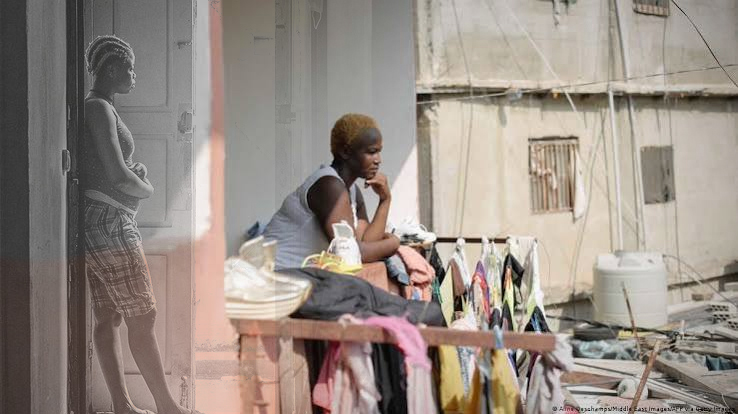
According to the figures, more than 38 million people have been displaced as a result of the post-9/11 wars in countries including Afghanistan, Iraq, Pakistan, Yemen, Somalia, Libya and Syria. For many of these people, displacement was not temporary. Homes were destroyed. Communities disappeared. Families were separated. Children lost years of education. For refugees and internally displaced people, the end of a military operation does not necessarily mean the end of the war’s consequences.
The Cost to American Soldiers :
The wars also transformed the lives of hundreds of thousands of US service members. More than 800,000 American troops served in Afghanistan, while thousands of US military personnel were killed in Afghanistan and Iraq.But casualties were not limited to those who died or suffered physical injuries.
Many veterans returned home carrying psychological trauma, including post-traumatic stress disorder and other long-term mental health challenges. The financial burden is also expected to continue for decades. The costs of caring for post-9/11 war veterans are projected to reach trillions of dollars over the long term.
An $8 Trillion War : The War on Terror has also been extraordinarily expensive. When future healthcare and other costs related to veterans are included, the total is expected to exceed $8 trillion. That raises another difficult question: what could have been achieved with those resources if they had been invested elsewhere?
Education, healthcare, infrastructure and economic development all compete for public money. The financial cost of war therefore extends far beyond military budgets. The US-led campaign succeeded in eliminating or weakening several major terrorist organisations and killed key figures, including Osama bin Laden in 2011.
But terrorism itself did not disappear. Instead, new organisations emerged, including ISIS and various regional militant groups. Conflicts spread into new territories, while countries such as Afghanistan, Iraq, Syria, Yemen, Libya and Somalia experienced prolonged instability. This does not mean that every consequence of the War on Terror can be attributed solely to US military intervention. Local politics, regional rivalries, authoritarian governments, economic inequality and other factors also played major roles. But the wars undeniably reshaped the political and social landscape of the Middle East and South Asia.
Twenty-Five Years Later, The War on Terror was born out of the trauma of September 11. At the time, the priority was understandable: prevent another attack and dismantle the organisations responsible. But over the next 25 years, the definition of that war expanded dramatically. It moved from Afghanistan to Iraq, from large-scale invasions to drone strikes, from one terrorist organisation to multiple armed groups, and from a short-term military response to what became known as a “forever war.”
Today, its legacy is measured not only in military victories or the deaths of militant leaders, but also in the millions of people killed, tens of millions displaced, destroyed cities, damaged institutions and trillions of dollars spent.
Twenty-five years after 9/11, the history of the War on Terror is therefore not simply a story about terrorism.
It is also a story about how wars launched in the name of security can reshape societies, create new conflicts and leave consequences that continue long after the soldiers leave. And perhaps the most important question for the next 25 years is not simply whether the War on Terror was won or lost.